
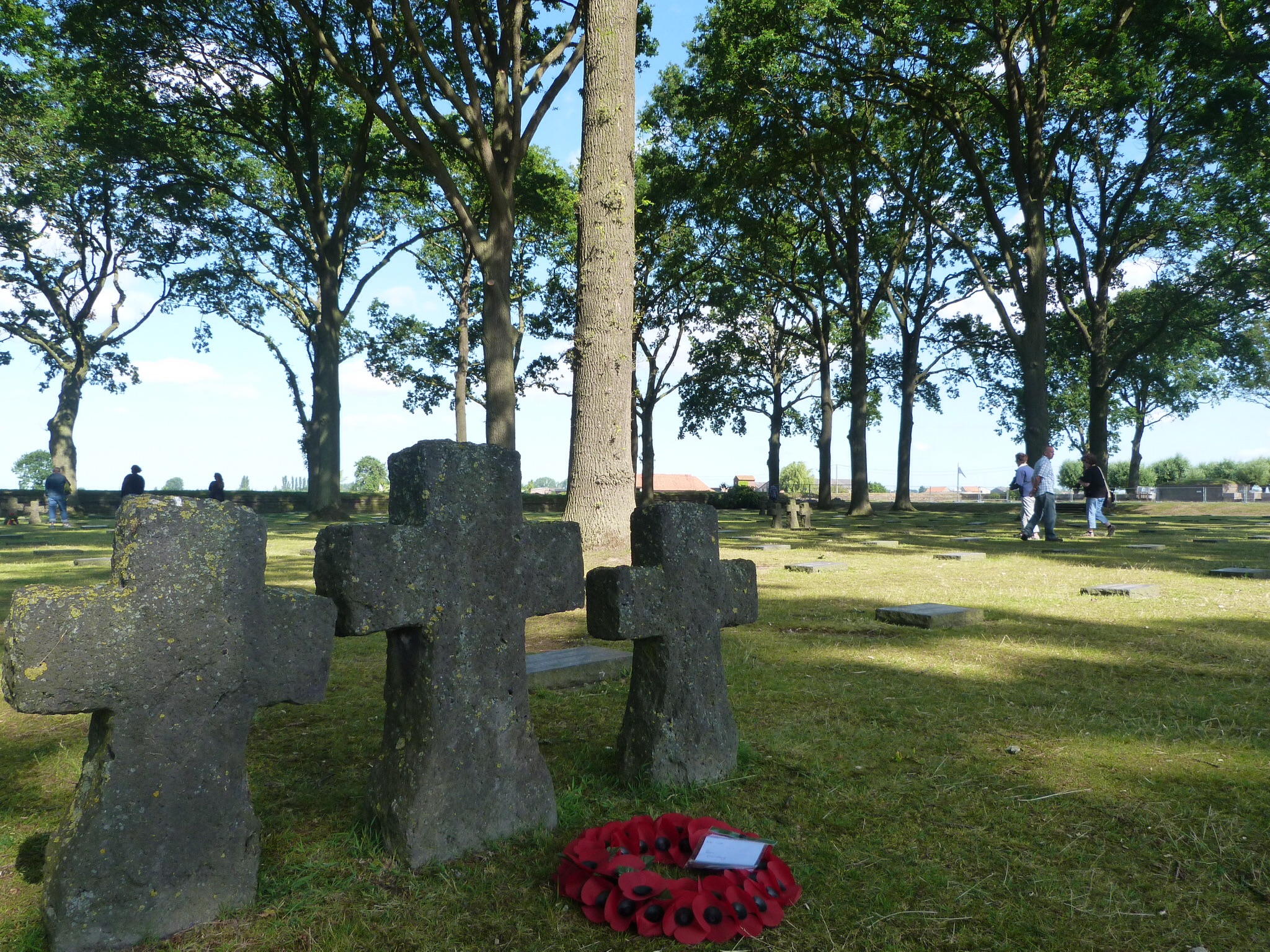
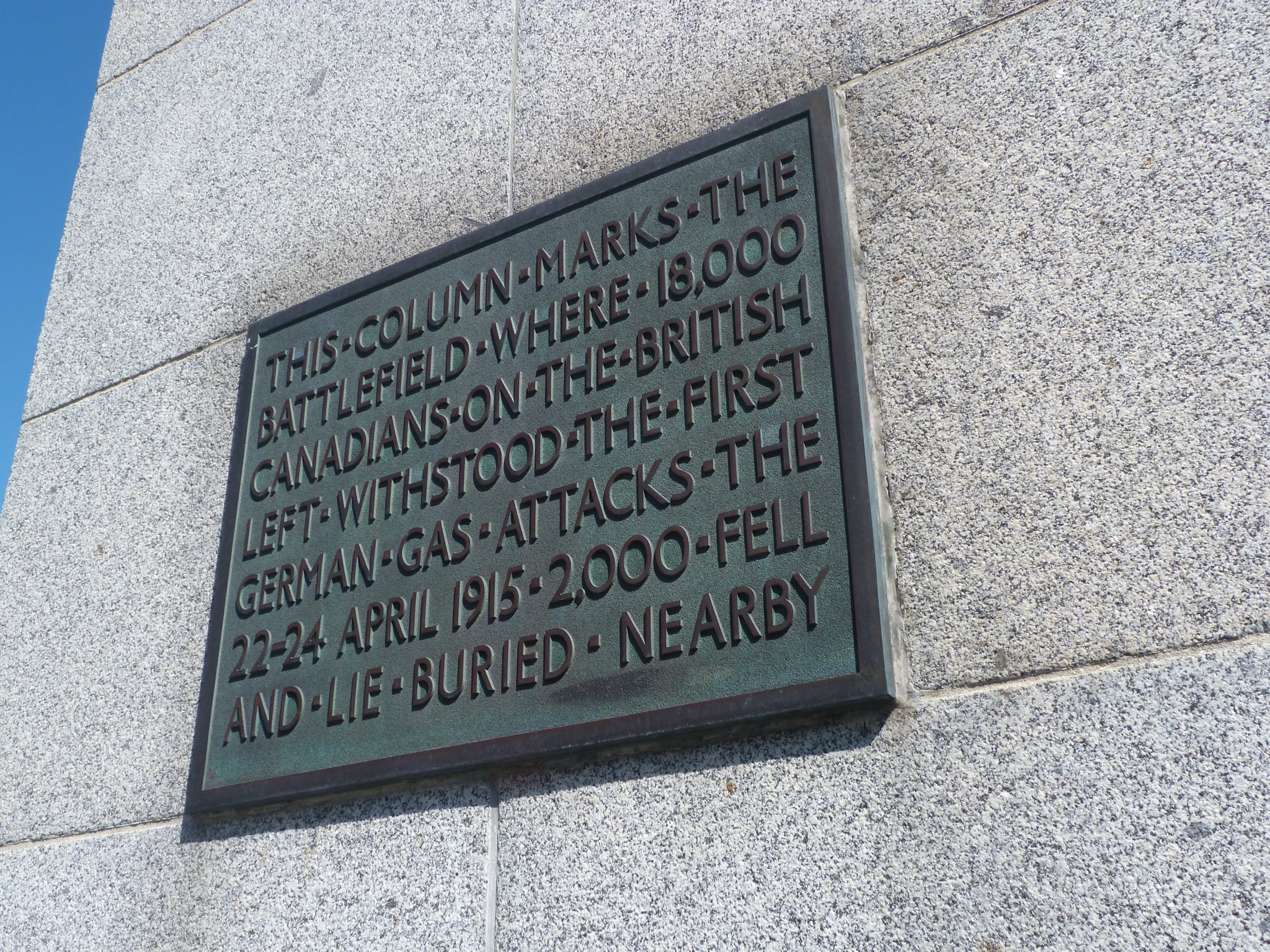
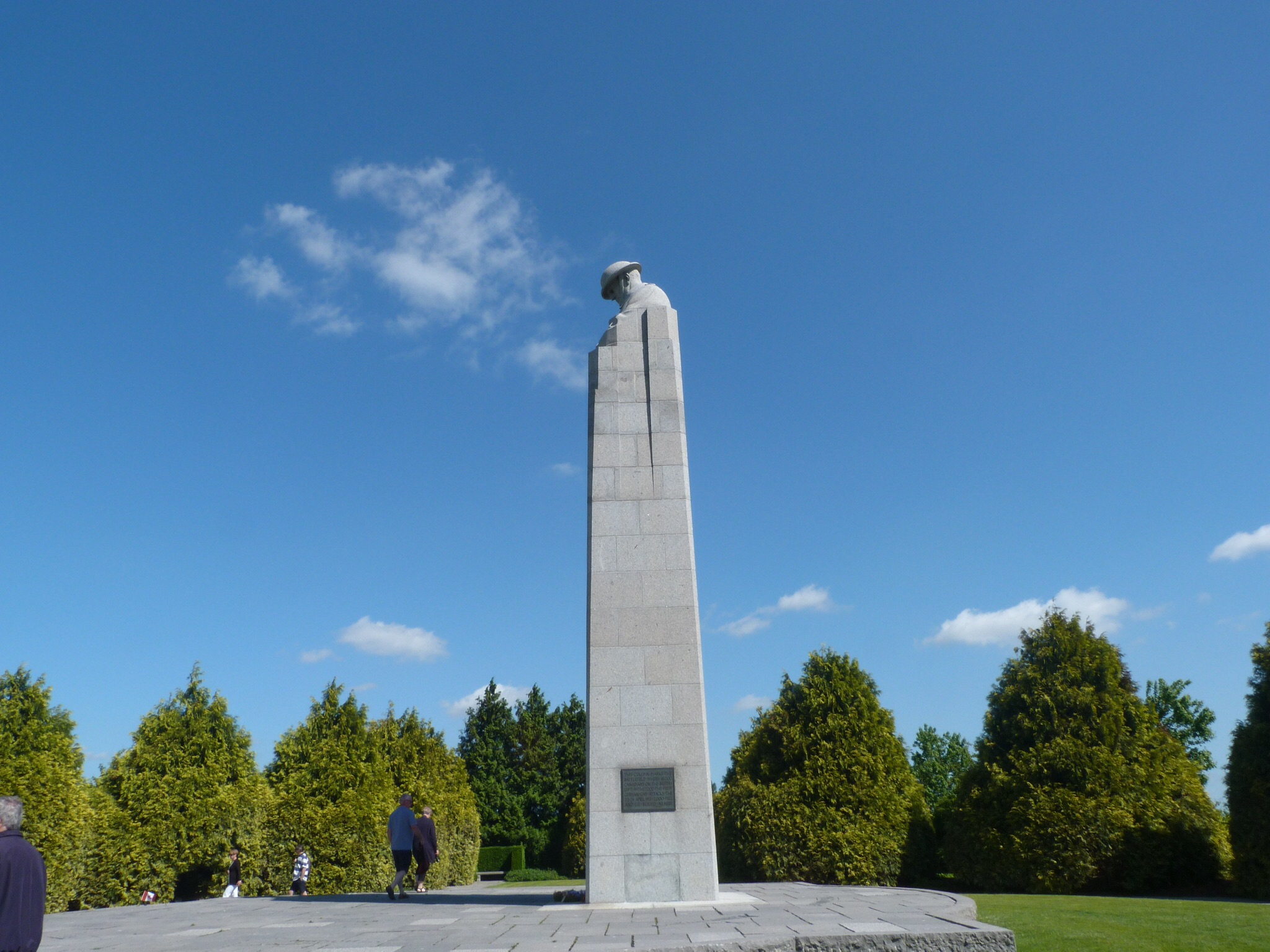
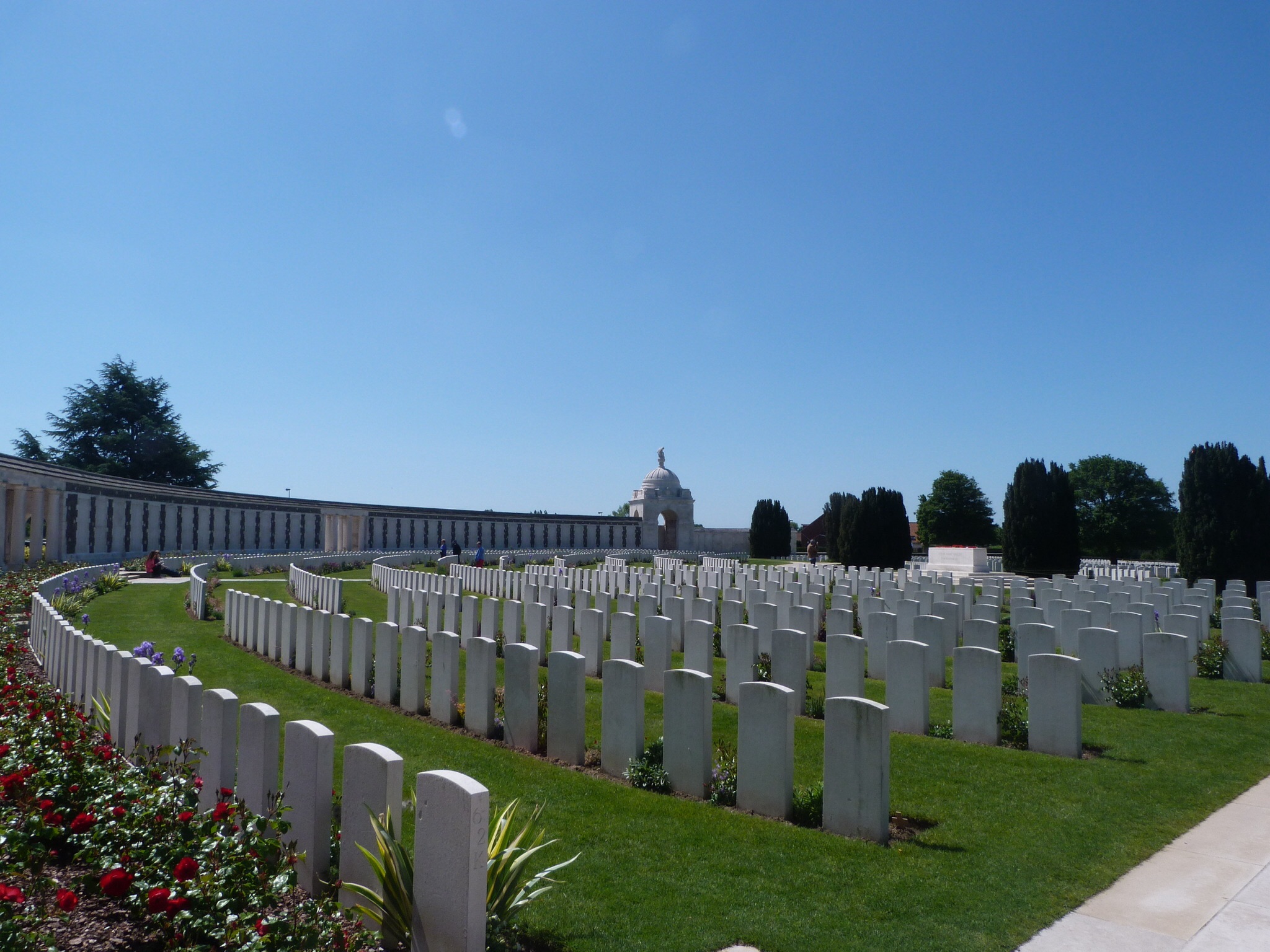
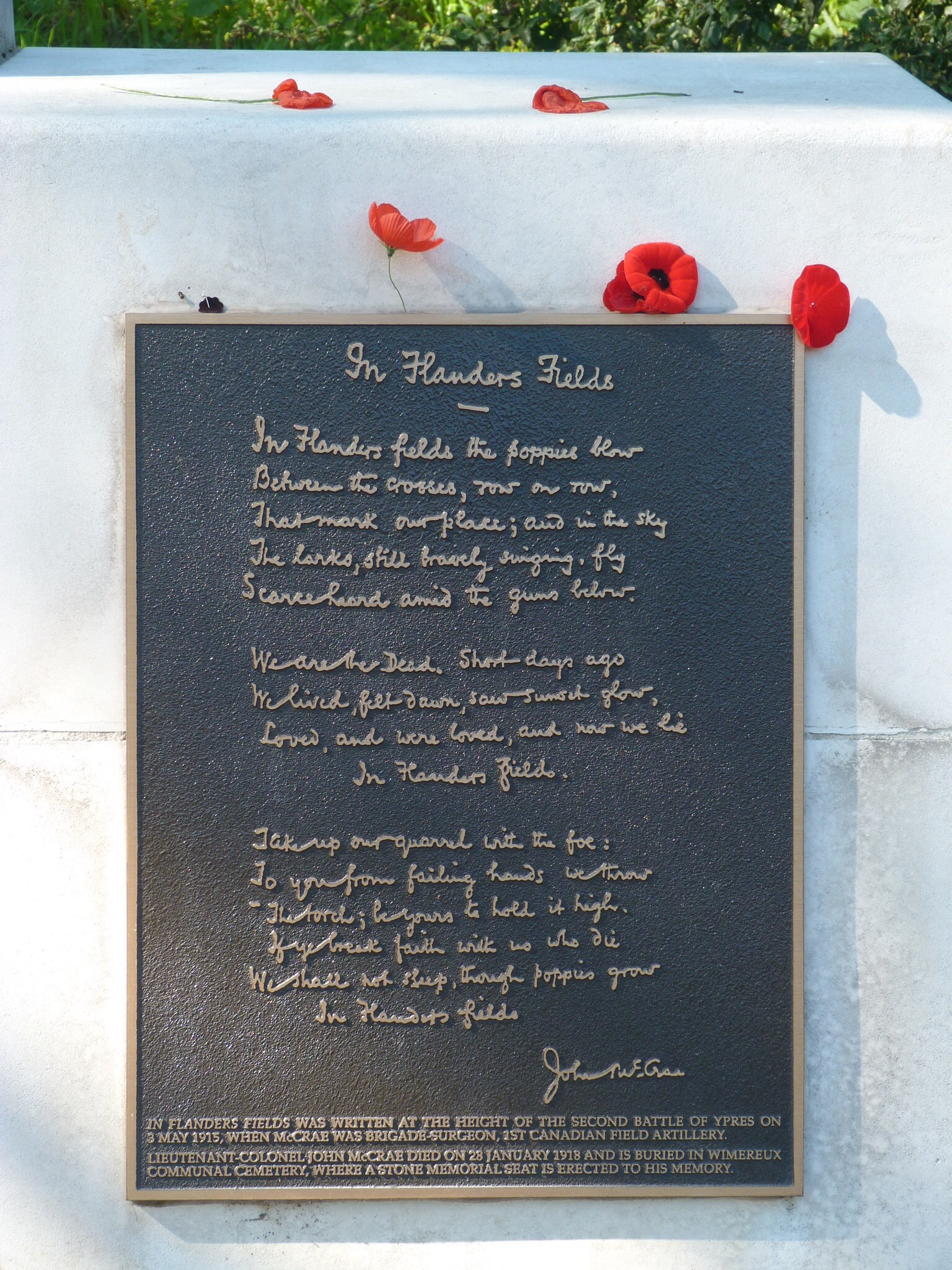
About an hour south of Brugges is the 25 square km patch of land better known as Flanders Fields. We don’t talk much about the Great War in grade school but most Canadians know the poem written by John McRae titled after the place because it is read publicly every Veterans’ Day.
Did you know that 9 million lives were lost in the wake of this war in 4 short years? It all began when King Ferdinand and his wife, then the King and Queen of the Austro-Hungarian Empire, made a visit to Sarajevo where they were assassinated. Of course, the backstory provides more in the way of an explanation of power-jockeying and the act was only the spark in an already volatile situation. It seems to me that at the start anyway, it was the last war of its kind, with hand-to-hand combat and the use of horses on the battlefield. However, 2 years in, new inventions such as tanks, fighter planes and chemical warfare were introduced to gain fighting advantage and conventions were thrown out on both sides. Brutality won the day.
An entire generation of young men was lost.
Today the land is lush with potato fields. Farmers plow with machinery equipped with metal detectors — still finding shrapnel and unexploded mine shells, some with mustard gas and chlorine tubes intact. The local bomb squad run by the Belgian military defuses 2-3 bombs per day and at this rate it will take 60 years to complete the task. Just last year 2 civilian men were killed when a bomb exploded in their hands. 98 years later Belgians still feel the physical wounds of allied victory in Western Europe.
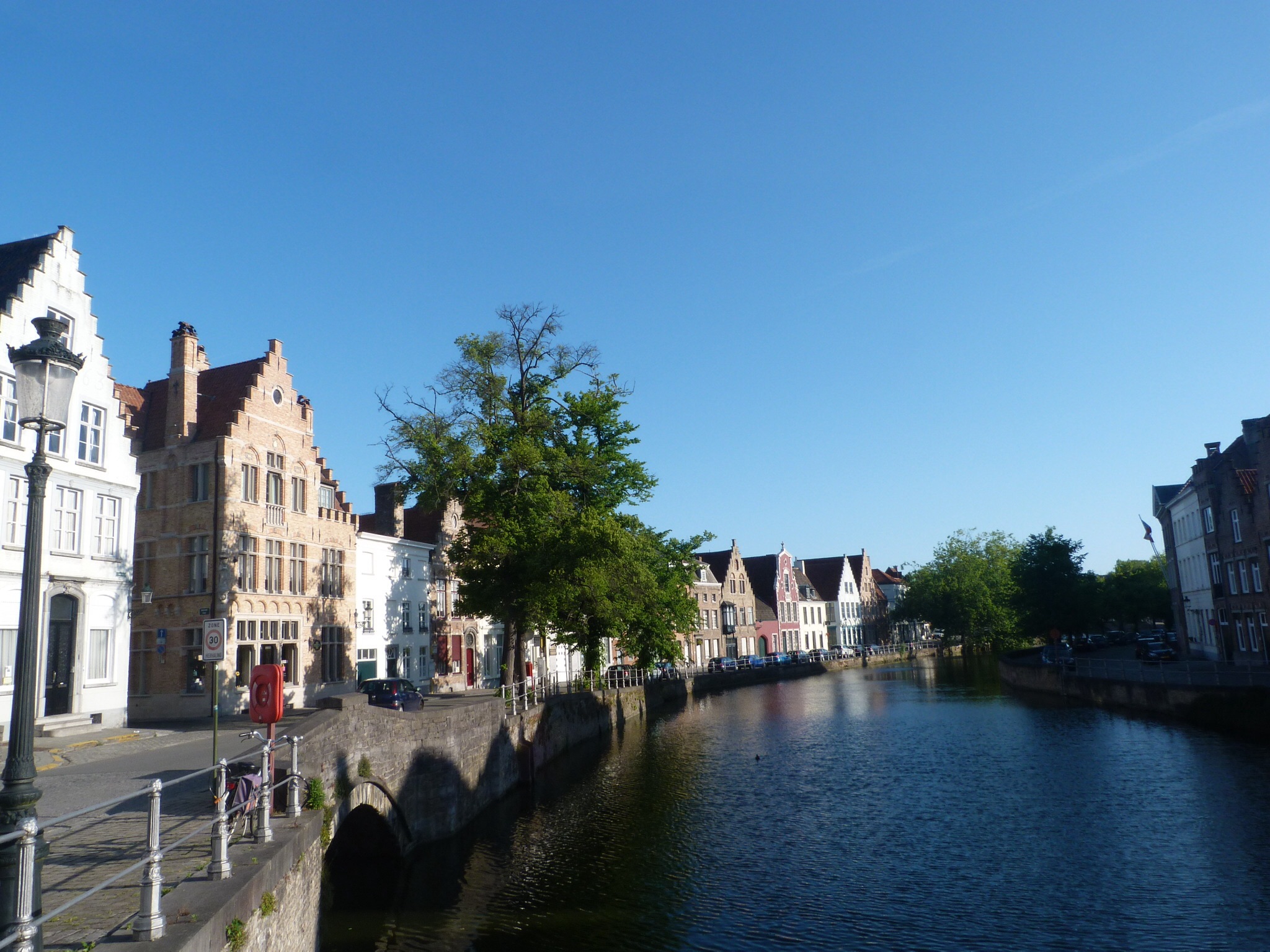
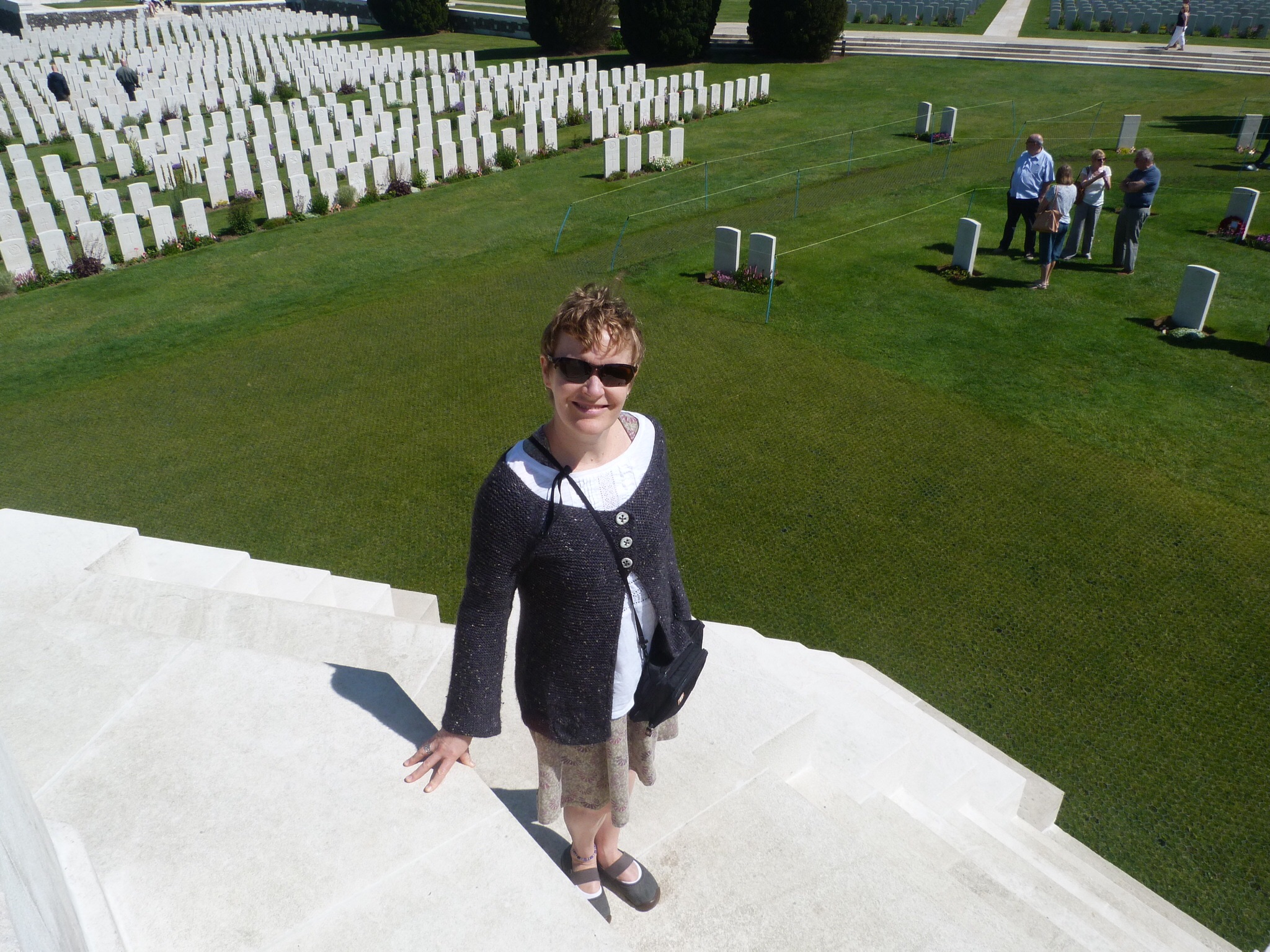
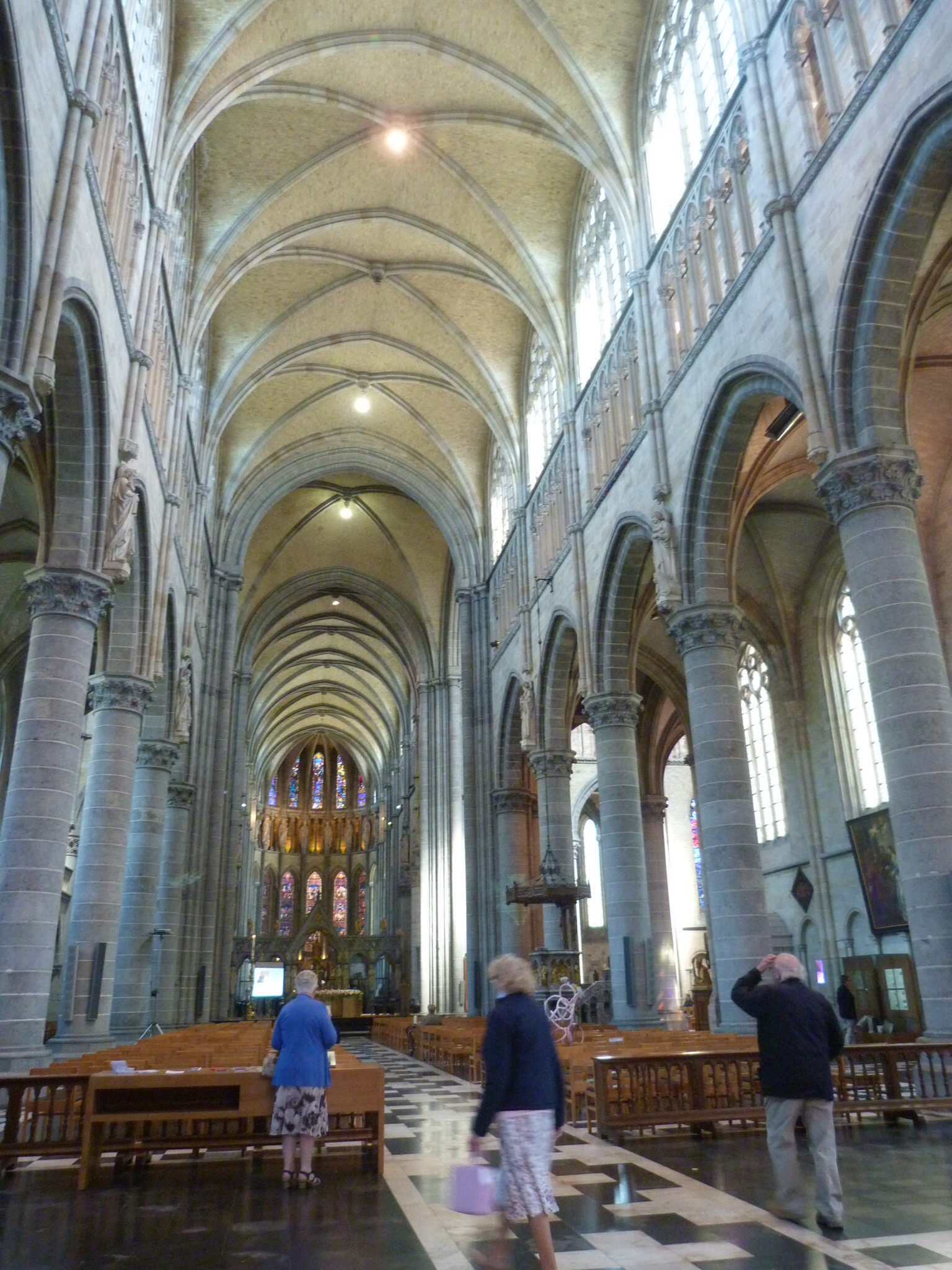
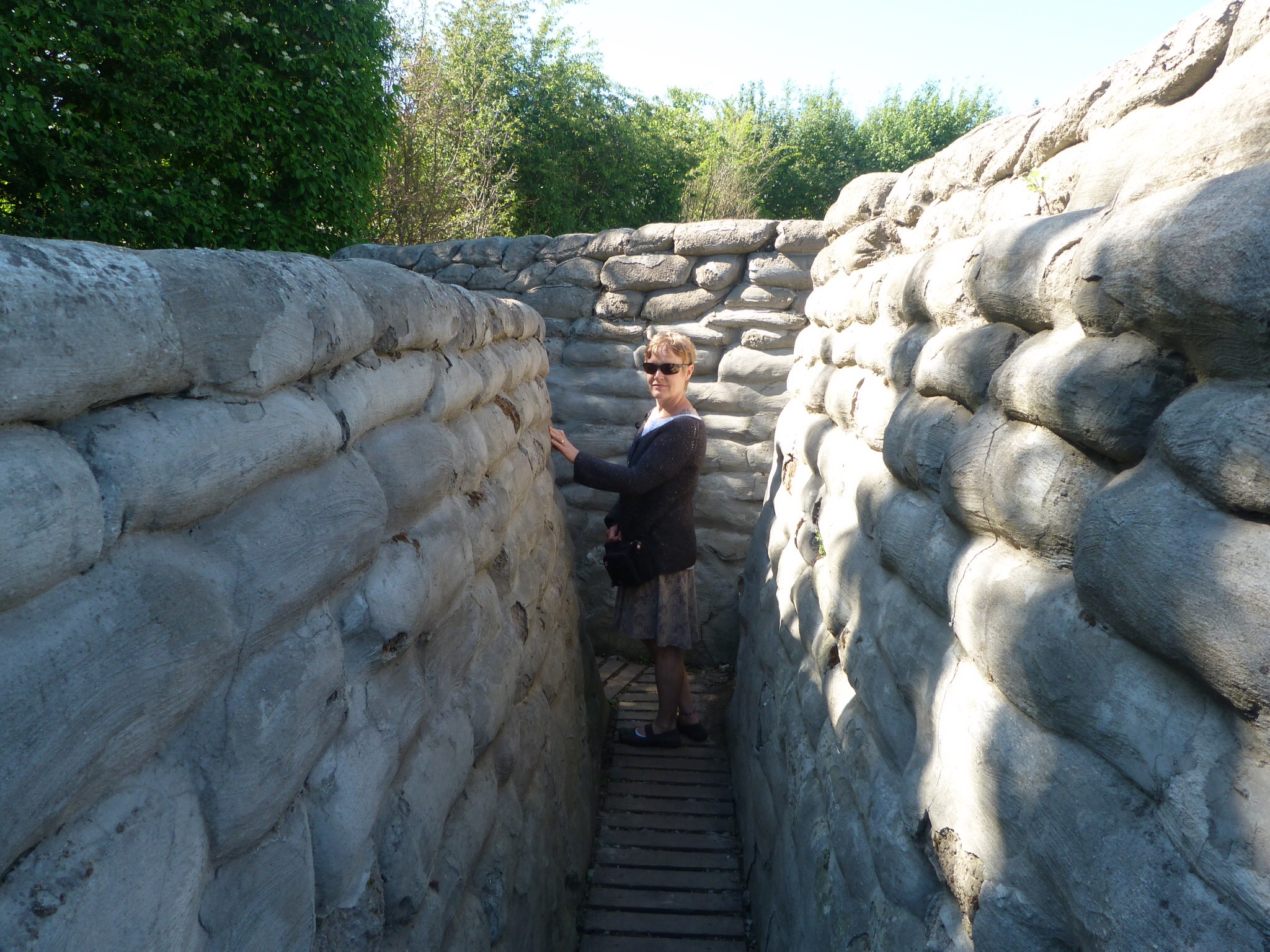
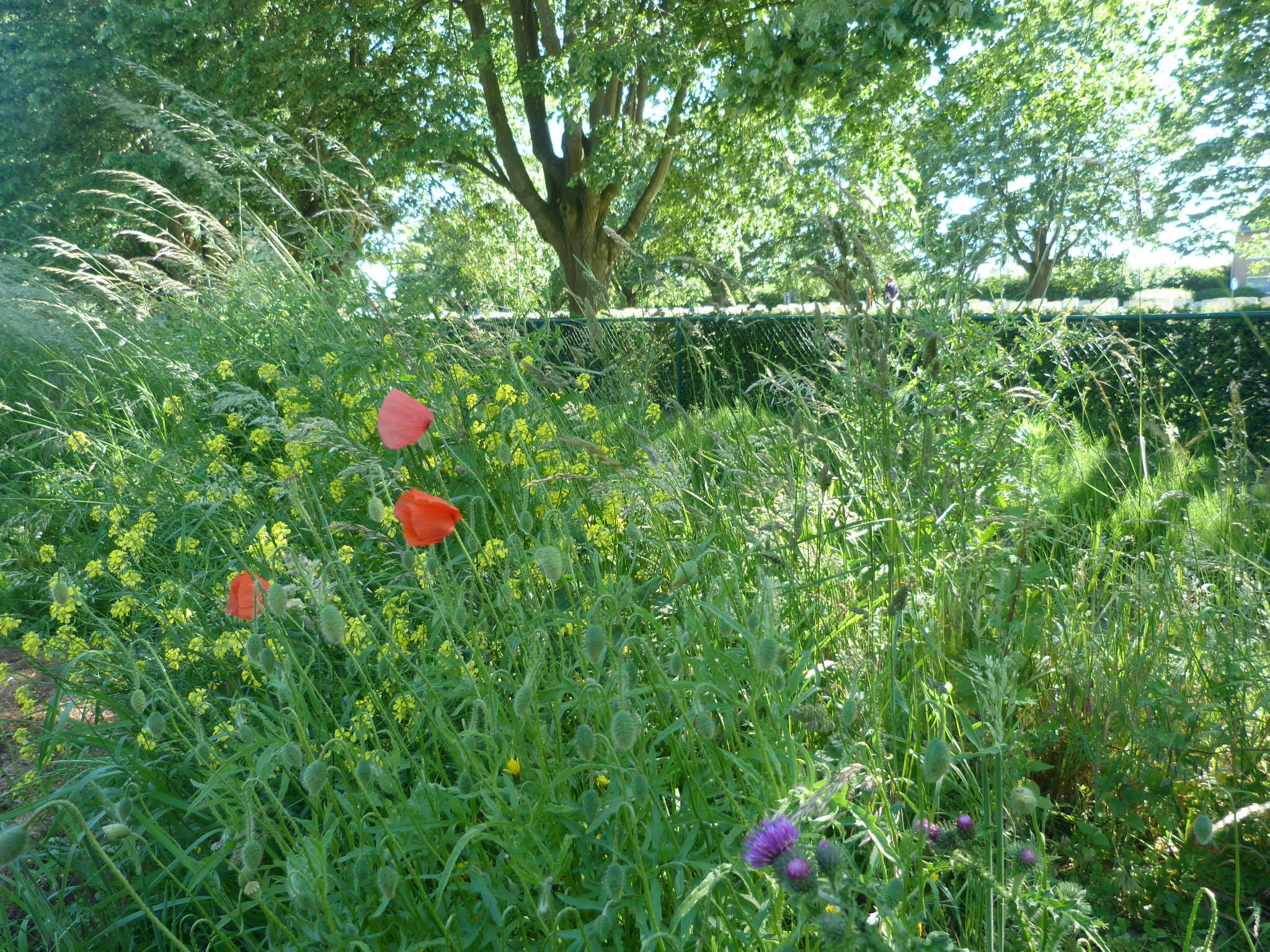
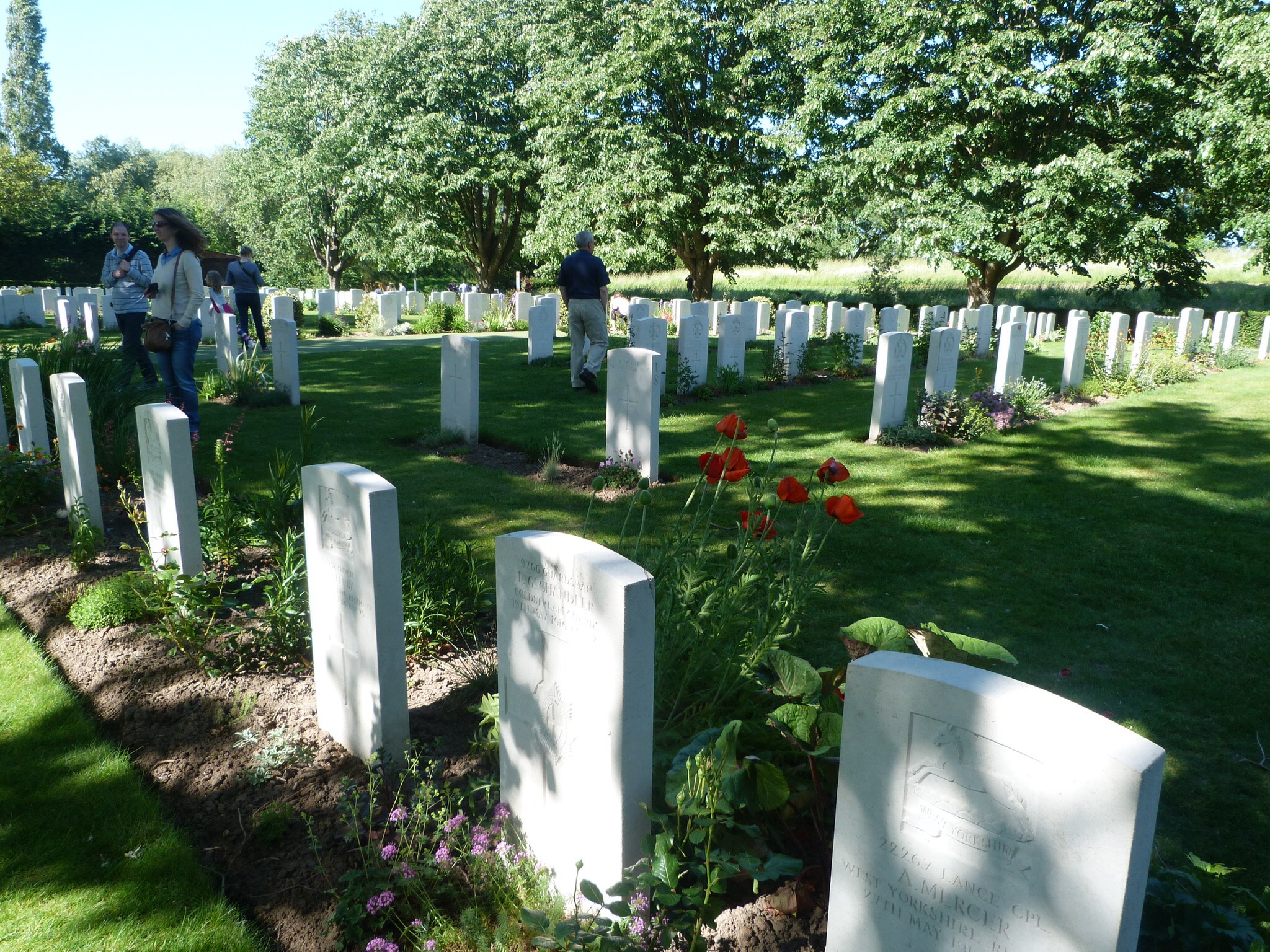
I’ve included a few photos of an early morning walk about Brugges as well as our time at Flanders Fields. A thought-full day of remembering and giving thanks for the gift of freedom and the sacrifice of so many.
[
 spacer height=”100px”]
