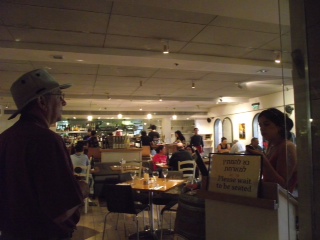
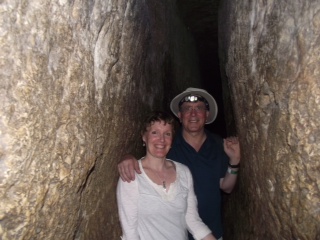
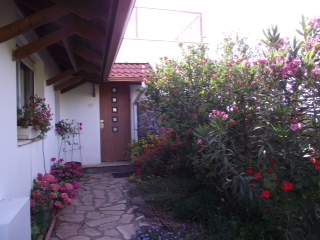
 The Frenkels moved to Jerusalem in 1960 and met while studying at the Hebrew University. He worked as a journalist for the Jerusalem Post, including the time during the wars of ’67 and ’73, while she stayed at home to raise their three children. Etha spent the better part of the first morning of the 6 Day War in the basement shelter waiting for someone from the kindergarten to bring her daughter home. And then until 4:00 pm to bring her son home. She was told not to leave the house and her children would be returned to her when it was safe. These were tense times, she recalls. He worked 16 hour days with classified information that he was not free to share with his family.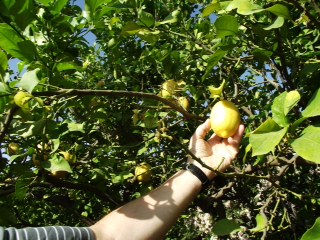
One early morning a young Palestinian mother and entrepreneur shared her emotional story of reconciliation and restoration with us. In 1948 when Israel became an independent nation, most of her grandfather’s property was exappropriated by the Israelis for undisclosed use. It was a story she had heard told many times as a child by her grandmother. When a young Israeli man asked her to consider opening her grandfather’s remaining property to run as an inn, she scoffed at him and expressed her deep offense at his suggestion. But he persisted and her mother wrote up a contract. The family finally settled with the refugees, who were living in the house, by buying them a home so they would vacate the the old home. She told us that once refugees move into a residence, the owner cannot evict the family until the original squatters die. She and “the Jew” became business partners and together they are unifying the town by their example and their community contributions. The story still brings tears, she tells us.
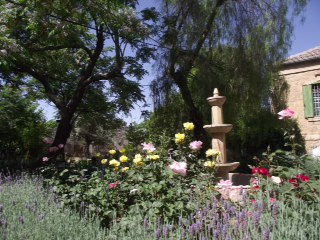
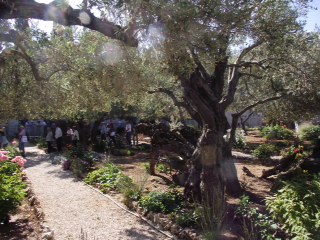
Mr. Mario owns two houses in the West Bank and rents one to a young American family. He has lived in this land as long as he can remember and has brought up his five daughters and two sons to love Jesus just like he does. The best moments of his day are spent tending his olive grove and surrounding gardens. Like most Palestinians living in occupied territory, he does not have a passport. That’s because he does not have a country. 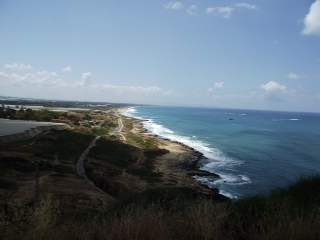
As we journey through this diverse and geographically stunning land and meet its resilient people, we become ever more aware of the religious and political and social complexities that are a normal part of life here. I feel like an innocent child in comparison to my Israeli and Palestinian friends who have lost so much and yet continue to hope. We were told today that the characteristic that marks Canadians most is their hopefulness. I would have to say we are not the only ones. 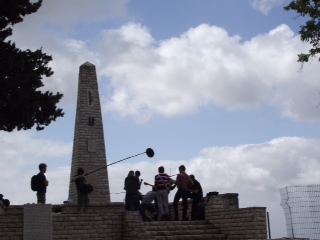
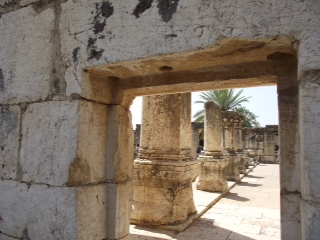
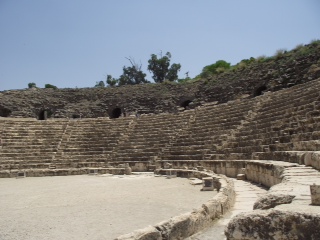
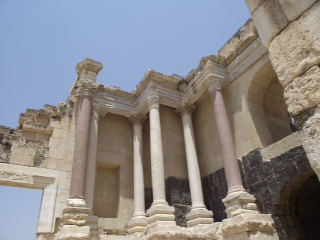
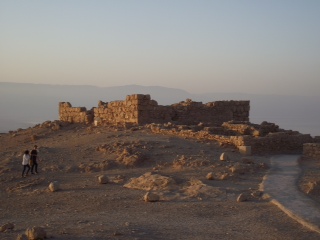
As for our other adventures, we headed toward the coast today and on the way decided to visit yet another set of ruins. Climbing to the top of the town for the best views, we happened upon a Belgian film crew creating a documentary on Israeli and Palestinian bands. Let me be clear. These bands are made up of a unique collection of musicians. To be more precise, they include Jews, Christians and Arabs. I wish I could share with you what we heard. 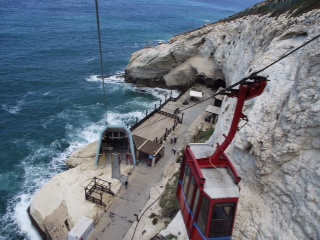
Next we headed north to the Lebanese border to the Grotto.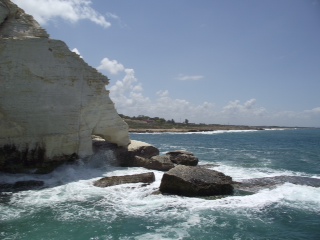
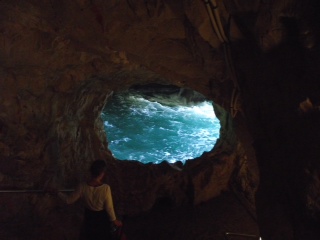 Then to Akko for a walk through the Crusader ruins.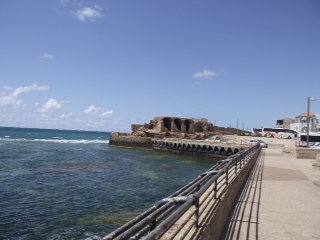
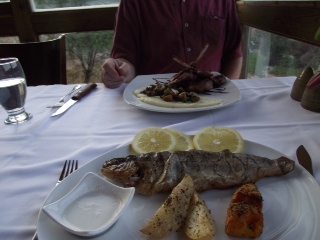
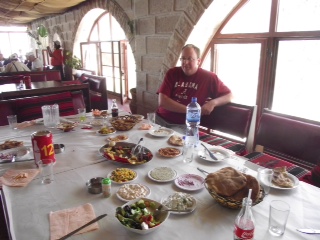
While in Akko we indulged in an unforgettable eating experience. The menu was open and for an hour and a half the waiter brought us sample dishes from the sea. Delicious!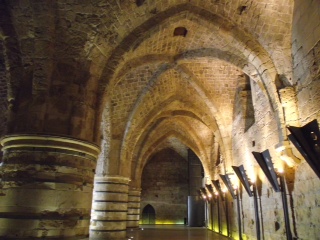
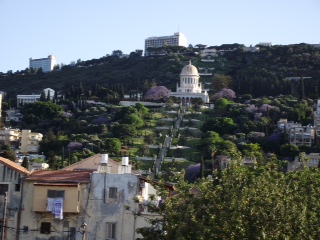
And finally we are settling into our hotel in Haifa.  We just want to say what a joy it is to have you following along with us. Many of you have emailed and said hello. Thank you for taking the time to do that. We are very aware that you are seeing Israel through our eyes and we try to present the people and land honestly and respectfully. Shalom