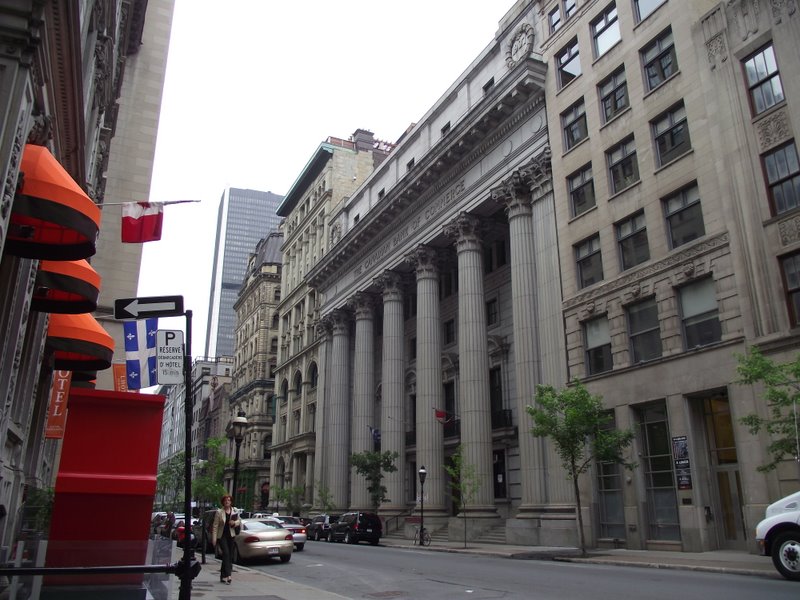
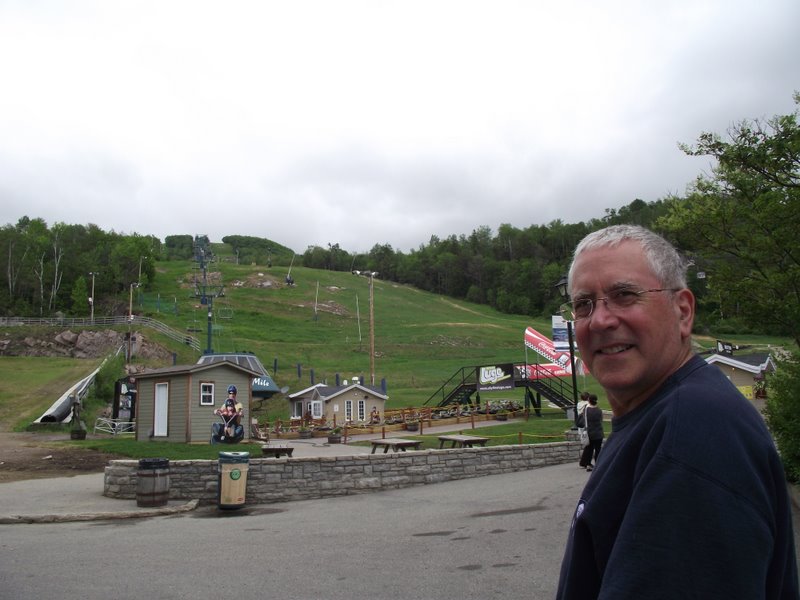
 The Quebecois may state the importance of looking back and remembering their roots, however, they sure know how to live in the present. Mont Tremblant is a perfect example of joie la vive with its half a dozen
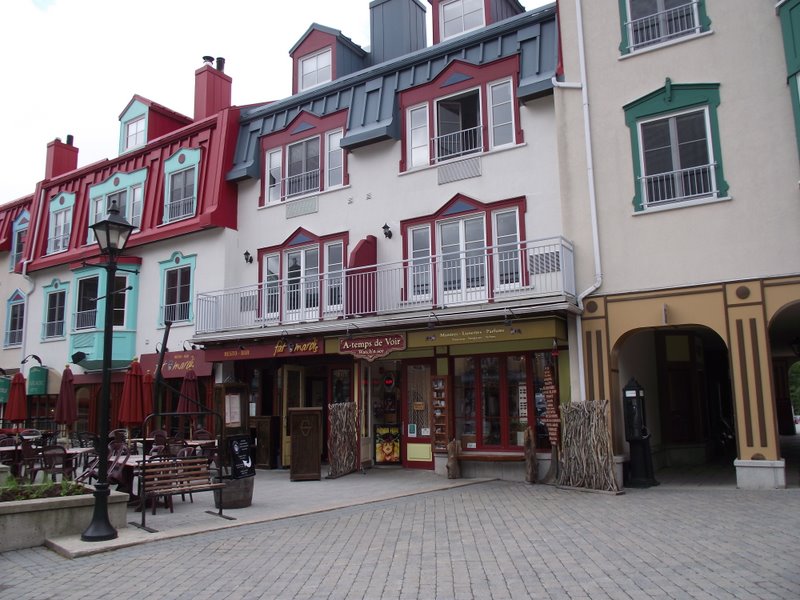 golf courses, lakeside attractions and international reputation for topnotch snow skiing. The Intrawest fingerprint is ubiquitous and the town feels every bit as Swiss as Zermatt, just like its sister hills,
 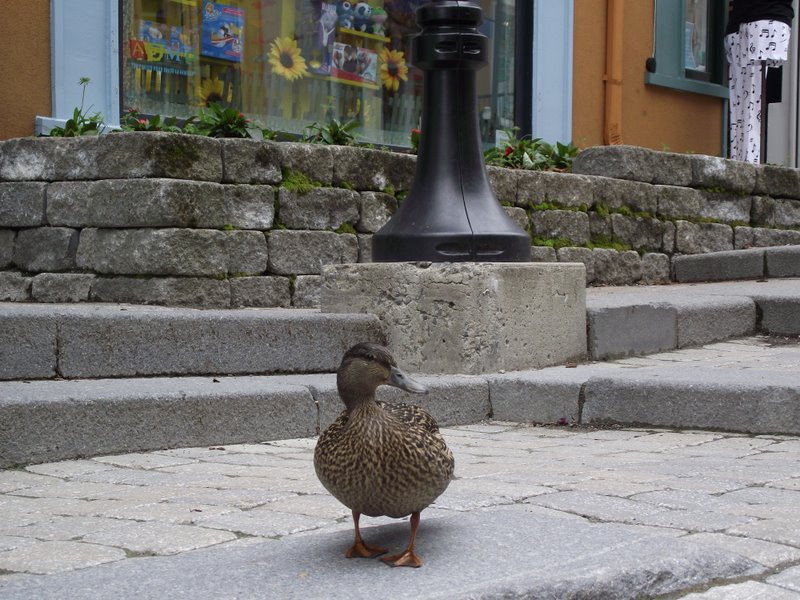 Whistler/Blackcomb and the Blue Mountains. This little gal (duck photo) turned her best side just as I snapped the shot. It seems even the wildlife appreciate the importance of the tourism industry.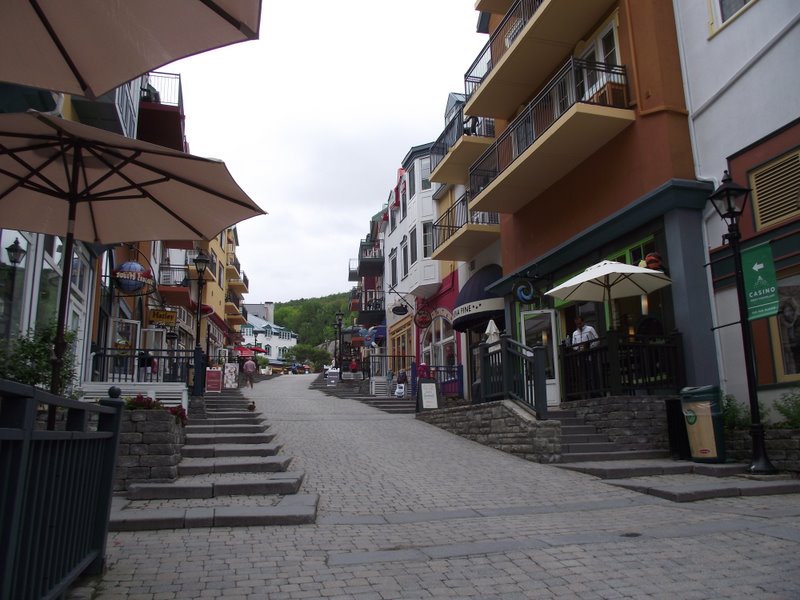
Pointing our nose southward, we made our way to another noteworthy mountain; Mont Royal on the Isle de Montreal. Old Montreal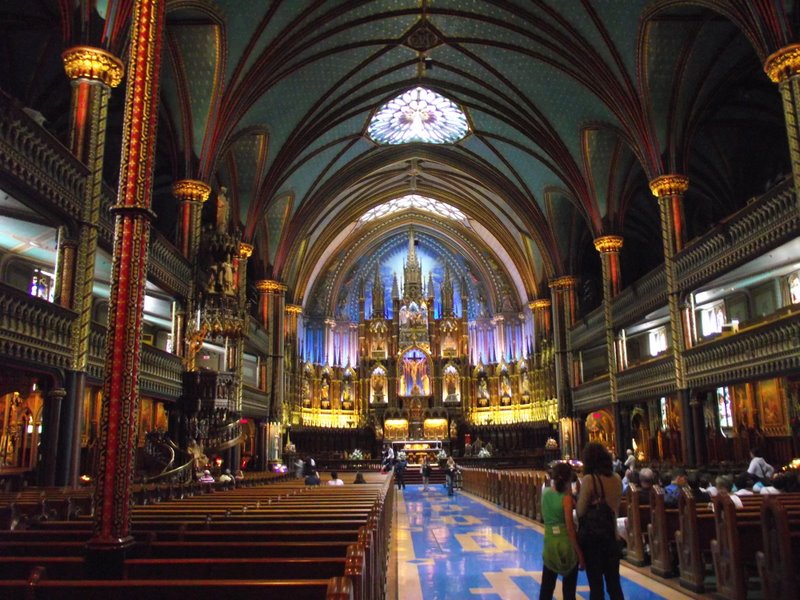 rated top on our priority list this trip so we spent the day wandering around the streets, loving the European feel, taking in the fashion, flowers and food. Since we both prefer churches to museums, the Bastilique Notre-Dame was an obvious stop.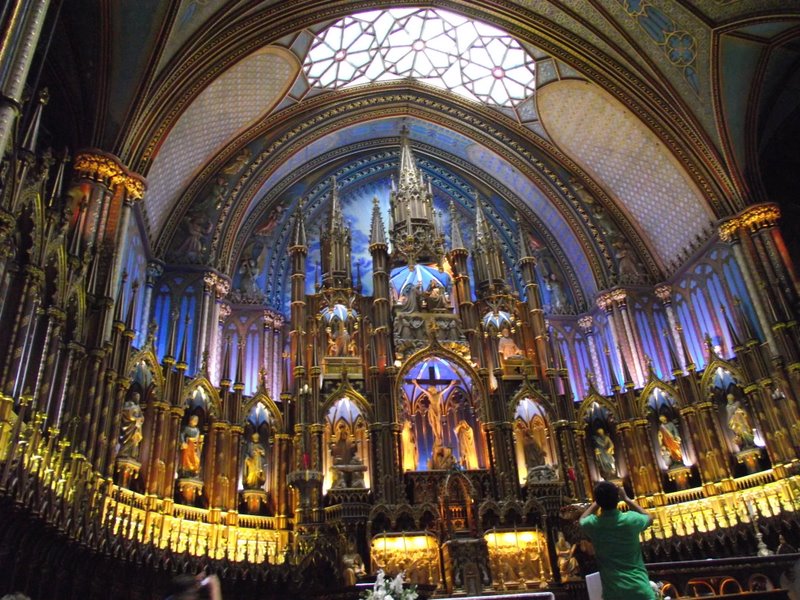
‘Tis the season for school field trips so we are always accompanied by three or more classes of middle school kids when we site see and it usually works in our favour. Bits of historical or contemporary information we might otherwise miss come our way and we overhear perspectives that are both amusing and enlightening.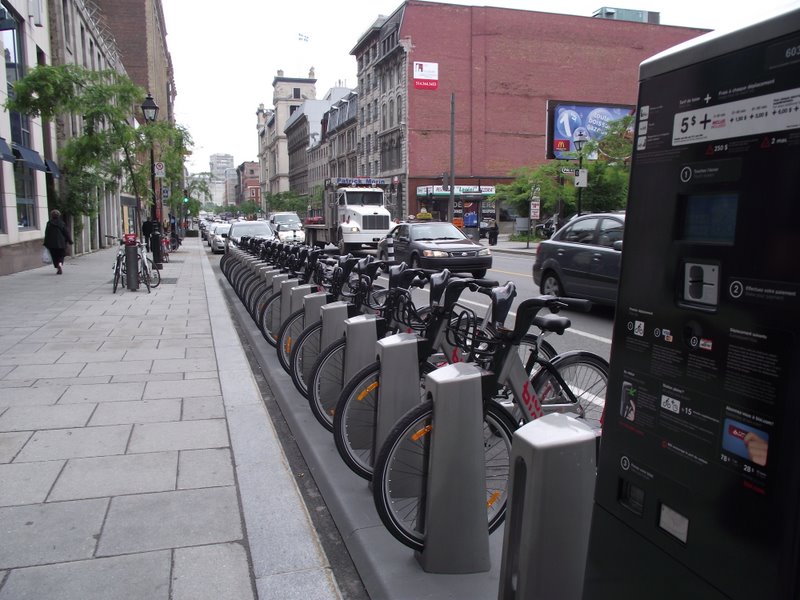
I think one of the common activities that most of us engage in when we travel to a place that feels a little foreign, is that we compare and contrast our new experience with what we already know. Here are our observations thus far:
Where winters are colder the windows in houses are smaller
The ethnic mix in the large city areas of Ontario and Quebec is profound
The First Nations population appears more self-assured and more integrated east of Winnipeg
No snow capped mountains
More bugs!
As Porky Pig would say, “Th-th-th-a-t’s All, Folks!”