
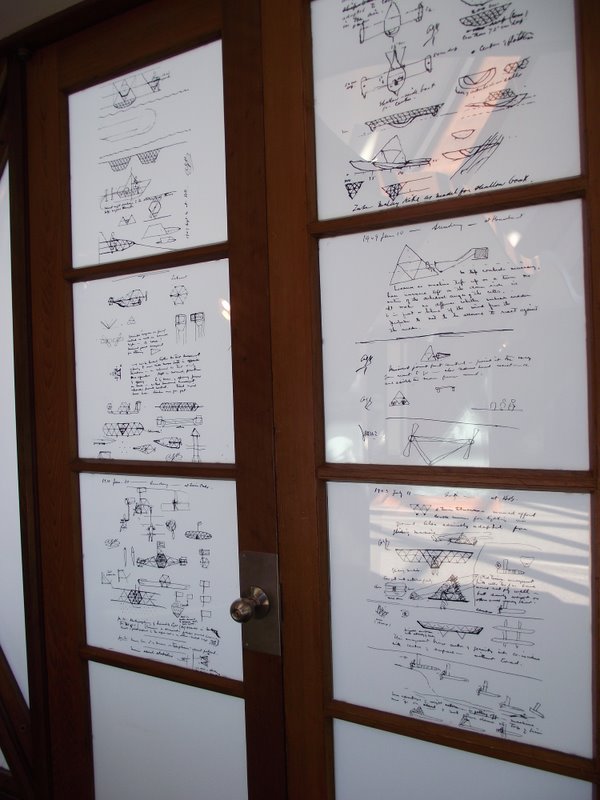
 If you visit a national park in Canada you are required to buy a park permit. At the same time we bought ours, we purchased a National Historic Site Pass which has paid for itself many times over. It came as a surprise to me that I would be flashing that card with frequency on Cape Breton Island. Within a three hour drive we were able to take in two of these worthy sites: Alexander Graham Bell National Historic Site and Louisbourg National Historic Site.
In my humble opinion, there should be a third site designed as nationally historic within the same geographic area. Glace Bay is home to the Cape Breton Miner’s Museum, where a retired miner led us through a retired coalmine and helped us imagine and appreciate the significance of coal in Canada’s early days.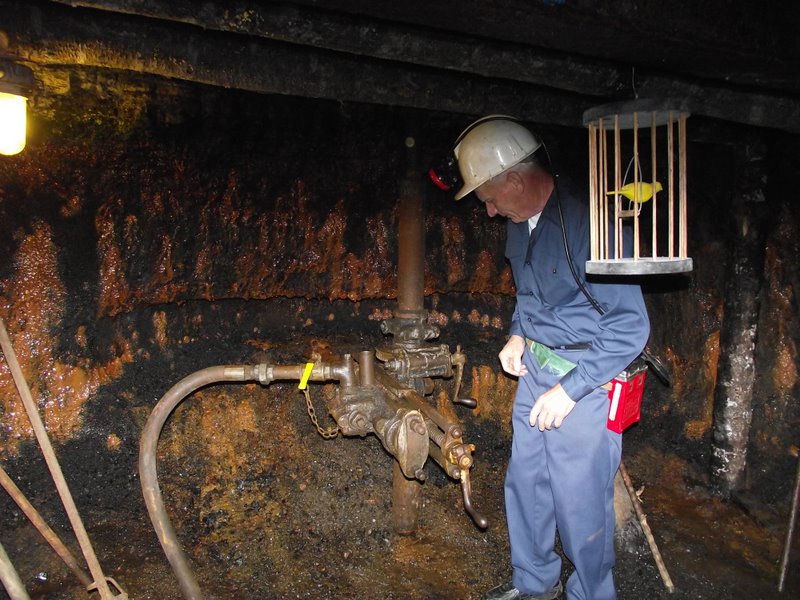
The first site we visited was hometown to the inventor of the telephone. Alec Bell made notoriety first by continuing where his father left off with developing and implementing Visible Language. The Bell patriarch deciphered positions of the organs of the mouth in order to aid deaf students in creating sound based on those positions rather than on auditory recognition. Alec took the written code and applied it to hand-to-hand communication with such students as Helen Keller and Mabel Hubbard, the latter of whom became his wife. The story of his life as well as the remarkable woman he married are presented in an interactive display along with his hundreds of other inventions. He was a Renaissance man in the truest sense.
In the afternoon, we made our way along the coast to the Gaelic hamlet of Glace Bay where coal mining was once a booming indus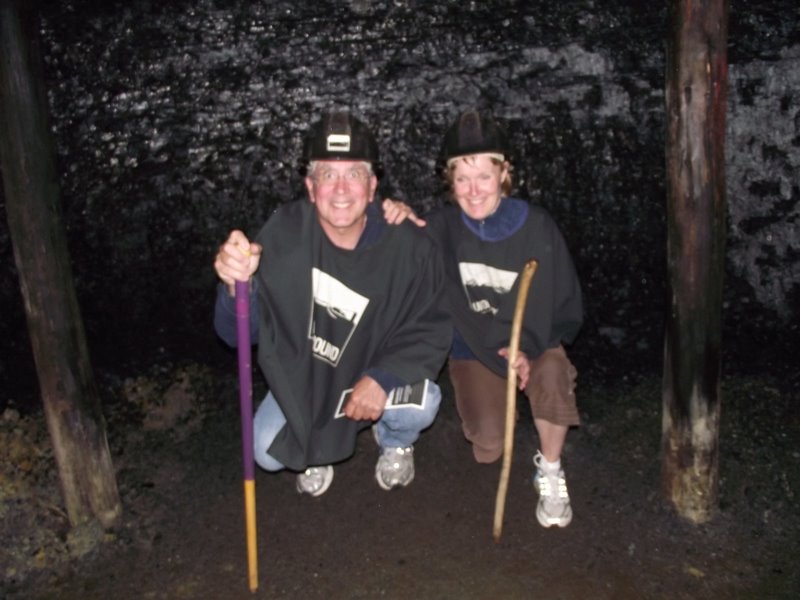 try right alongside cod fishing. I was the only one of 15 tourists to stand tall in the timbered mines as we made our way along the dank corridors trying to conjure up images of horses, canaries and men working 12 hour shifts, 6 miles out under the Atlantic Ocean floor.
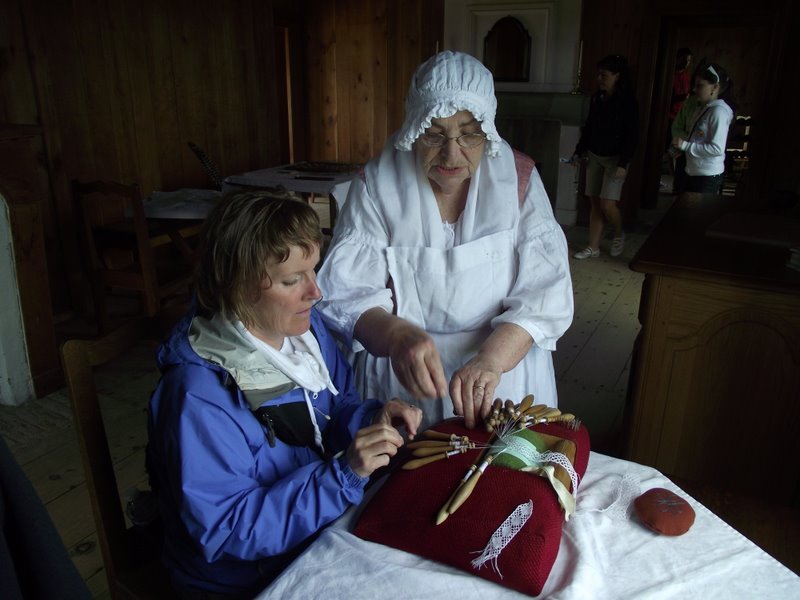
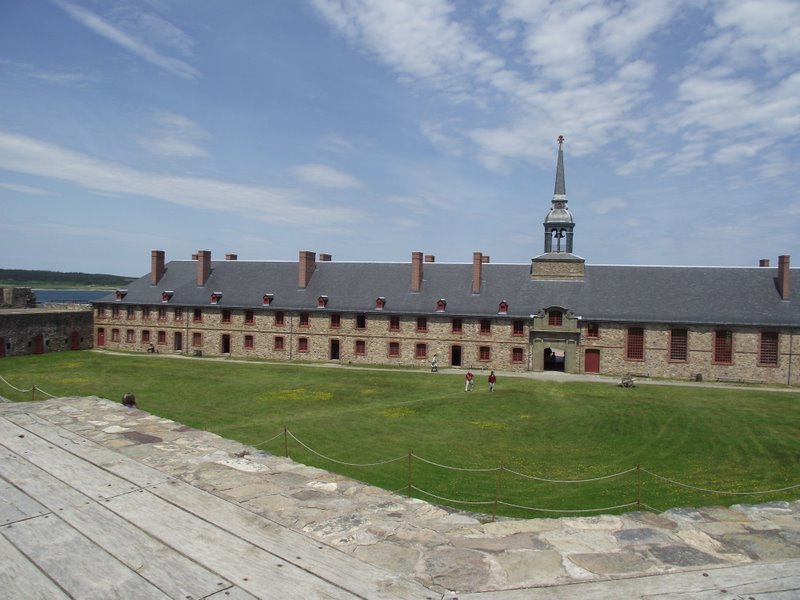
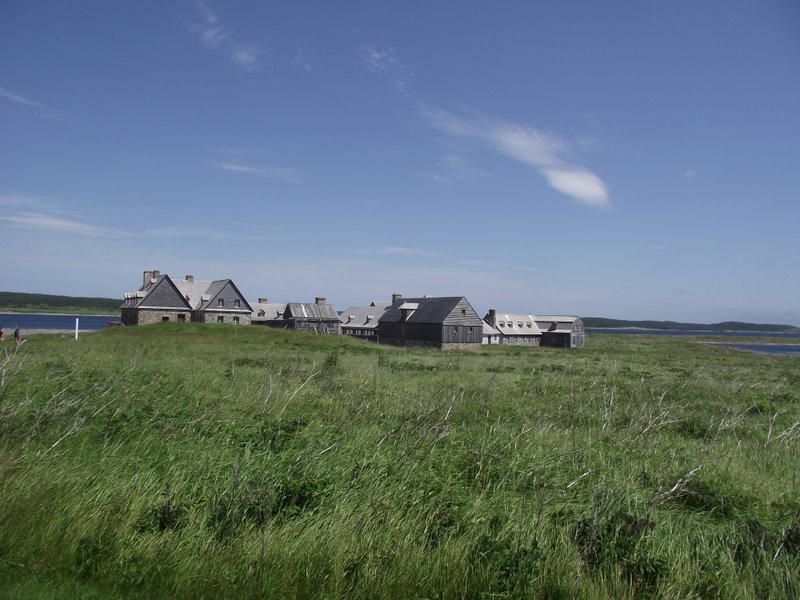 When mines on Cape Breton closed in the 1960’s, thousands face unemployment. The population dropped from 12,000 to the mere hundreds and that’s when a forward-thinking miner took his proposal to the federal government. He solicited an original idea by which miners would be hired to learn a new trade and reconstruct the French fort of Louisbourg on the Island’s eastern shore. Not only did the proposal gain favour and miners find retraining and employment, the site now attracts thousands of visitors every summer. Local children can attend a working type camp at the fort, dress in period costume and experience 17th century history first-hand. If you are in the area, be sure to stop in.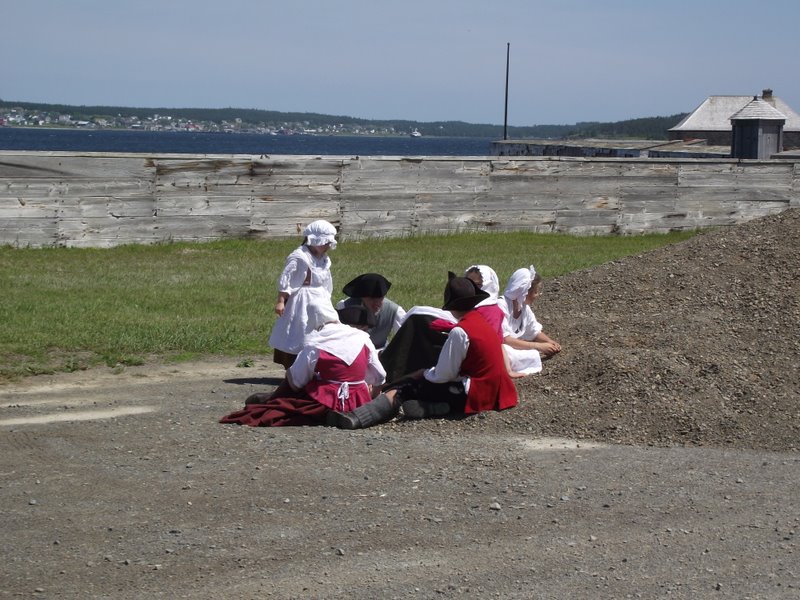
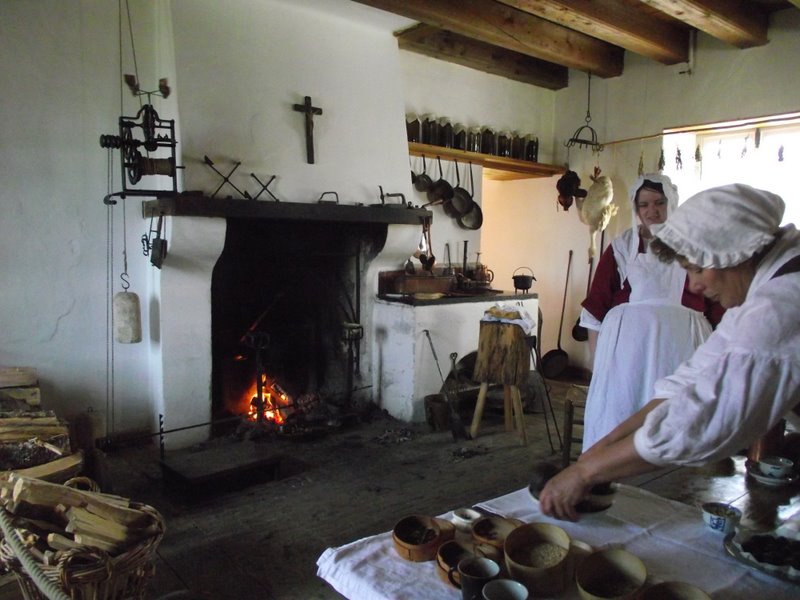

oo looks like a cozy kitchen. I’d be standing tall beside you in the mines too!